🔻ASSISTA AO VÍDEO ABAIXO 🔻

The Next Frontier of Automotive Innovation: Future Cars to Anticipate from 2026 to 2030
In the rapidly evolving automotive landscape of 2026, the transition towards electrification and cutting-edge technology is accelerating at an unprecedented pace. While consumer demand for advanced driver-assistance systems (ADAS) and efficient hybrid powertrains is steadily increasing, the industry is simultaneously preparing for a wave of new vehicles set to redefine the driving experience.
As an industry expert with over a decade of experience navigating the complexities of automotive development and market trends, I have closely monitored the advancements and emerging strategies of major automakers. This analysis delves into the most significant forthcoming models that promise to disrupt the market between 2026 and 2030, ranging from high-performance electric supercars to practical, eco-friendly family vehicles.
The 2026–2030 Automotive Outlook: Navigating the EV Revolution
The current decade represents a pivotal moment for the automotive industry. The shift from internal combustion engines (ICE) to electric vehicles (EVs) is no longer a distant vision but a present-day reality, with regulatory mandates and consumer preferences pushing automakers to rapidly pivot their portfolios. This strategic transformation is not merely about replacing gas engines with batteries; it involves a fundamental reimagining of vehicle architecture, performance, design, and the overall customer experience.
Key Market Trends to Watch in 2026:
The EV Premium: As battery costs decrease, the cost of electric vehicles is becoming more competitive with traditional gasoline cars. However, advanced EVs with long-range and rapid-charging capabilities often command higher price points, creating a gap in the market that traditional manufacturers and new entrants are racing to fill.
Performance Meets Sustainability: Consumers no longer have to choose between power and eco-friendliness. Modern electric performance vehicles are delivering acceleration and handling that rival or surpass their gasoline counterparts, challenging assumptions about what EVs can offer.
Luxury and Premium Segments Lead the Way: Luxury brands are driving innovation in the EV space. Automakers like Genesis, Audi, and Ferrari are investing heavily in high-end electric models to establish a premium brand image in the EV era, with luxury electric SUVs and premium sports cars dominating early EV luxury offerings.
Revival of Classic Names: Many legacy brands are revitalizing iconic nameplates to capitalize on nostalgia while adapting them to modern technology. Models like the Dodge Charger and Mitsubishi Montero are returning as EVs or hybrids, aiming to appeal to enthusiasts and new buyers alike.
The Demand for Truck Innovation: The pickup truck segment remains a powerhouse in the U.S. market. Automakers are responding to demand for more fuel-efficient and powerful options with new truck models, including V-8-powered performance trucks and smaller, more affordable electric options.
Comprehensive Analysis of Future Cars (2026–2030)
The following analysis provides a deep dive into the most anticipated vehicles set to debut in the coming years, detailing their specifications, market positioning, and potential impact.
Alfa Romeo Stelvio (2027)
The Evolution of Italian Style and Performance:
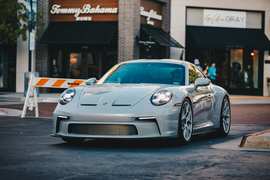
Alfa Romeo is undergoing a major redesign for its second-generation Stelvio, which is slated to arrive in 2027. The compact luxury SUV will retain its signature sensual styling while embracing a new powertrain strategy. Buyers will have the choice between a hybrid and a fully electric setup, positioning the vehicle to appeal to a broader range of customers who prioritize both luxury and sustainability.
The Stelvio will migrate to the STLA Large platform, potentially expanding its interior space and moving it closer to mid-size dimensions. In a move that will excite driving enthusiasts, a future performance-oriented Quadrifoglio variant could utilize the Hurricane twin-turbocharged inline-six engine, shared with its platform-mate, the Dodge Charger. This strategic move reflects Alfa Romeo’s commitment to preserving its performance legacy while adapting to the evolving electrification demands of the luxury market.
Audi TT EV (2028)
A Next-Generation Electric Sports Car:
Audi’s concept car, the Concept C, signals a bold new design direction for the brand. This model is positioned as a spiritual successor to the TT and R8 sports cars, combining minimalist design with high-quality materials. The Audi electric sports car will share its platform with the upcoming Porsche 718 EVs, offering both a rear-wheel-drive single-motor setup and an all-wheel-drive dual-motor powertrain.
With an expected launch in 2027, the Audi TT EV will challenge established players in the performance EV segment. Its pricing is anticipated to approach the $100,000 mark, reflecting its premium positioning and cutting-edge technology. This move underscores Audi’s ambition to lead the electric luxury car market with vehicles that merge performance, design, and advanced technology.
BMW 3-Series and M3 (2026)
Redefining the Premium Compact Sedan:
Previewed by the Vision Neue Klasse concept, BMW’s iconic 3-Series is set to undergo a significant transformation. The next generation will offer both internal-combustion and battery-electric variants. The electric version, known as the i3, will ride on an entirely new EV platform with an 800-volt architecture, promising fast charging times and improved efficiency.
The lineup will also include an all-electric M3, featuring a potent quad-motor powertrain that delivers exhilarating performance. Expected to debut in 2026, followed by the iM3 in 2027, these models are crucial for BMW as it navigates the transition to electric mobility while maintaining its performance credentials. The 3-Series remains a cornerstone of the BMW lineup, and these updates will ensure its relevance in the premium compact sedan segment for years to come.
Chevrolet Silverado (2027)
The Evolution of America’s Favorite Truck:
The U.S. pickup truck market continues to be a significant revenue generator for automakers. Chevrolet is gearing up to overhaul its best-selling Silverado for 2027, with reworked styling that maintains the current generation’s assertive appearance. The most significant changes will be under the hood.
The updated turbocharged four-cylinder engine will be joined by a new small-block V-8, expected to be around 5.7 liters, producing more power than the current 355-horsepower output of the 5.3-liter engine. Rumors suggest this new V-8 will also offer a 6% improvement in fuel economy. The Duramax diesel six-cylinder will carry over, and the Silverado is expected to continue starting at around $40,000 for the base WT trim. This strategy demonstrates Chevrolet’s commitment to offering a diverse powertrain lineup to cater to varying customer needs in the competitive truck market.
Chevrolet Corvette SUV (2026)
The Performance Crossover Revolution:
The Corvette subbrand is expanding to include a performance SUV, marking a significant shift in its strategy. Built on GM’s Alpha platform, the SUV is expected to feature bold styling and a range of engine options, from a turbocharged four-cylinder to a supercharged 6.2-liter V-8 in the top-tier performance model.
While this model has not been officially confirmed, the Corvette-badged SUV represents a strategic move to capture the lucrative luxury SUV market while leveraging the high-performance heritage of the Corvette brand. The cost of Chevrolet performance vehicles is often high, and this expansion could make Corvette performance accessible to a wider audience through a utility-focused body style.
Dodge Charger (2027)
The V-8 Returns to the Muscle Car:
As the Hemi V-8 makes its comeback in the Ram 1500, the eight-cylinder engine is also returning to the Dodge Charger. The electric Charger Daytona has struggled to gain traction among traditional muscle car enthusiasts, prompting Dodge to reintroduce the V-8 to appeal to its core fanbase.
The V-8 is expected to be available in 5.7-liter, 6.4-liter, and supercharged 6.2-liter Hellcat variants, with power outputs remaining largely consistent. The Hellcat is anticipated to remain one of the most powerful production vehicles, easily surpassing 700 horsepower. Look for the Hemi V-8 to reappear in the Charger sometime in 2026, marking a significant return for one of the most iconic engines in automotive history. This move demonstrates a strategic balance between offering electrifying alternatives and catering to the enduring appeal of raw American power.
Ferrari Luce EV (2027)
The Prancing Horse Enters the EV Era:
The Ferrari Luce marks a new era for the legendary Italian automaker. While the company will continue to produce V-12 engines for as long as possible, it has also decided to cater to a new audience with an electric high-performance SUV. The low-slung crossover will seat at least four passengers, and Ferrari plans to develop the entire powertrain in-house, including the high-voltage battery and motors.

The cost of Ferrari vehicles is notoriously high, and the Luce is expected to debut with a starting price exceeding $500,000. This strategic move positions Ferrari at the forefront of the high-performance EV market, catering to wealthy buyers who demand luxury, technology, and the emotional appeal of the Prancing Horse badge.