🔻ASSISTA AO VÍDEO ABAIXO 🔻

Here is the rewritten article in English, written with the voice of an industry expert, optimized for 2026, and transformed into money-focused content.
The Best New Cars Coming in 2026: Electric, Gas, or Both—How the Automotive Landscape Shifts Your Budget
The automotive industry is experiencing a historic inflection point in 2026. After years of intense focus on electrification and long-term EV roadmaps, the market is undergoing a dramatic realignment. The aggressive timelines for going all-electric are being scaled back, and we are witnessing a strategic pivot back toward hybrid technology and next-generation internal combustion engines.
For consumers and investors, this shift represents unprecedented complexity and opportunity. The automotive landscape is diversifying rapidly, offering a spectrum of choices from traditional gasoline power to advanced hybrid systems and battery-electric vehicles. This makes 2026 a crucial year for making car-buying decisions.
Automakers are rolling out a host of new vehicles over the next few months—from sedans and SUVs to hybrids and EVs. However, the underlying question isn’t just “What’s new?” but “What’s the smart money?” Should you invest in electric innovation, lock in a traditional gas engine, or find the sweet spot in hybrid efficiency? The answer hinges on your budget, lifestyle, and long-term financial strategy.
Here are just some of the most anticipated vehicles of 2026 and what they mean for your wallet.
Audi RS6 Avant
Price: $140,000 (est.)
What It Means for You:
For performance enthusiasts, the 2026 Audi RS6 Avant represents a crossroads of power and complexity. With an expected output of well over 700 horsepower, this machine is not merely a family car—it’s a statement of financial power and performance obsession. The transition to a plug-in-hybrid powertrain, while offering a slight bump in torque and efficiency, adds a layer of maintenance complexity.
Should You Buy, Wait, or Rent/Invest?
Wait if you are price-sensitive. While the power is tantalizing, the price tag is steep. For those who value pure driving dynamics, consider leasing. Leasing locks in your depreciation cost and offers flexibility as EV technology continues to evolve. Avoid purchasing if you’re on a tight budget, as the high maintenance costs associated with high-performance PHEVs can quickly erode savings.
Best Financial Strategies Right Now (2026):
Lease, Don’t Buy: Lock in the monthly payment and sidestep long-term maintenance worries.
Analyze Total Cost of Ownership: Compare the expected fuel savings of the hybrid system against the premium price tag. Calculate if the savings justify the upfront cost over a typical 5-year ownership cycle.
Bentley Urban SUV
Price: $150,000 (est.)
What It Means for You:
Bentley’s foray into the smaller electric SUV segment—dubbed the “Urban SUV”—signals a significant shift for the luxury market. This is not just about making an electric car; it’s about making it a Bentley. The target demographic is shifting toward a younger, environmentally conscious luxury consumer who demands performance, design, and sustainable credentials.
Should You Buy, Wait, or Rent/Invest?
Wait if you are budget-conscious. This vehicle is firmly positioned in the ultra-luxury segment. Even if it “downsizes” from the Bentayga, the expected price tag ($150,000 est.) puts it well out of reach for most buyers. If you are an investor, this is a niche market; returns are tied to brand loyalty and the expansion of the EV infrastructure for premium vehicles.
Cost Breakdown / Pricing Impact (if applicable):
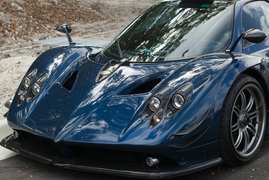
The pricing reflects exclusivity and brand prestige. While competitors are lowering prices to expand volume, Bentley is focused on maintaining margins. For buyers, this means higher insurance costs and potential financing hurdles.
Mistakes to Avoid That Could Cost You Money:
Assuming ‘Green’ Means Cheap: Bentley vehicles are expensive to own. Factor in high insurance premiums, specialized maintenance, and potential battery replacement costs far down the line.
Overpaying for Early Adopter Status: New EV models always come with early adopter premiums. Wait for early reviews and long-term reliability reports before committing.
BMW 3 Series / EV
Price: $50,000 (est.)
What It Means for You:
BMW’s new 3 Series is a cornerstone of their “Neue Klasse” platform and represents the company’s strategy to offer a comprehensive range of powertrain options. For consumers, this means flexibility—you can opt for a traditional gas engine, a plug-in hybrid, or a fully electric variant.
Should You Buy, Wait, or Rent/Invest?
Buy if you value choice. This is one of the most versatile options on the market. The 3 Series has a reputation for sportiness and reliability. The choice of powertrain ensures you can align your purchase with your budget and environmental concerns. For investors, BMW is a solid play; they are investing heavily in EV technology while maintaining a strong footing in the traditional luxury segment.
Cost Breakdown / Pricing Impact (if applicable):
The base price of $50,000 is competitive for a German luxury sedan. However, the cost escalates rapidly with options.
Best Financial Strategies Right Now (2026):
Compare the TCO: Look at the total cost of ownership for each powertrain. Electric models often have lower maintenance costs but higher upfront prices. Consider if the savings outweigh the premium.
Leasing Incentives: Explore lease deals, especially for electric versions. BMW often offers incentives for hybrid and EV models to boost sales.
BMW iX4
Price: $60,000 (est.)
What It Means for You:
The iX4 revives BMW’s controversial coupe-crossover body style in an electric form. It shares the Neue Klasse design cues with the iX3 but offers a sportier, coupe-like roofline.
Should You Buy, Wait, or Rent/Invest?
Buy if you value style and performance. The iX4 is targeting buyers who want the practicality of an SUV with the aesthetic appeal of a coupe. The expected 470-horsepower output ensures a sporty driving experience.
Mistakes to Avoid That Could Cost You Money:
Ignoring Range Anxiety: While the 108 kWh battery sounds substantial, real-world range in cold weather can be a concern. Always check local charging infrastructure availability before purchasing an EV.
Paying for Aesthetics: Decide if the coupe styling is worth the potential premium over more traditional SUVs like the iX3.
BMW iX5
Price: $75,000 (est.)
What It Means for You:
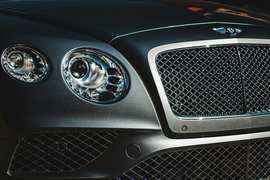
BMW continues its dominance in SUV debuts with the larger iX5. This model offers gas, electric, and plug-in-hybrid powertrains, with a hydrogen fuel-cell option planned for 2028.
Should You Buy, Wait, or Rent/Invest?
Wait if you are budget-conscious. While the iX5 offers versatility, the expected price of $75,000 puts it in a premium segment. For hydrogen enthusiasts, the wait until 2028 for the fuel-cell model is a significant commitment.
Best Financial Strategies Right Now (2026):
Hedge Your Bets: Consider a lease on the gas or hybrid version to lock in your costs while waiting for the hydrogen fuel-cell technology to mature.
Dodge Charger Hellcat / V8
Price: $80,000 (est.)
What It Means for You:
Dodge’s decision to equip the Charger with a V8, and specifically a Hellcat engine, is a direct response to customer demand for raw power and performance. This is muscle-car loyalty in action.
Should You Buy, Wait, or Rent/Invest?
Buy if you love raw power. The Charger Hellcat is for the purist who wants the roar of a V8 and the unmistakable performance of a muscle car. However, these cars are notoriously difficult to drive efficiently.
Cost Breakdown / Pricing Impact (if applicable):
The premium price reflects the cost of a high-performance V8. Gas prices in 2026 will significantly impact the total cost of ownership.
Mistakes to Avoid That Could Cost You Money:
Ignoring Insurance Costs: Muscle cars with high horsepower come with high insurance premiums. Get insurance quotes before you buy.
Overspending on Features You Won’t Use: You are paying for performance, not luxury. Avoid buying expensive tech packages if you only plan to drive in a straight line on a track.
Ferrari Luce EV
Price: $535,000 (est.)
What It Means for You:
Ferrari’s first electric car, the Luce EV, marks a radical departure for the iconic Italian brand. This isn’t just a car; it’s a high-end lifestyle statement.
Should You Buy, Wait, or Rent/Invest?

Wait if you are budget-conscious. The projected price of $535,000 places this car well outside the realm of everyday driving and into investment territory for collectors